
When we think about wellness, our minds naturally gravitate toward nutrition, mindfulness, movement, and sleep. We consider what we put into our bodies and how we rest our minds. But there is a silent, powerful factor shaping our well-being every single day that often goes overlooked: our physical environment.
Whether we realise it or not, the spaces we inhabit directly influence how we feel, think, and perform. From the flow of natural light in the morning to the texture of a fabric at the end of a long day, interior design is deeply intertwined with our physical and emotional health.

The Intersection of Aesthetics and Wellness
For accomplished, design-intelligent professionals, a home or workplace is far more than shelter or function. It is a natural extension of personal style, life experiences, and an appreciation for art, fashion, architecture, and culture.
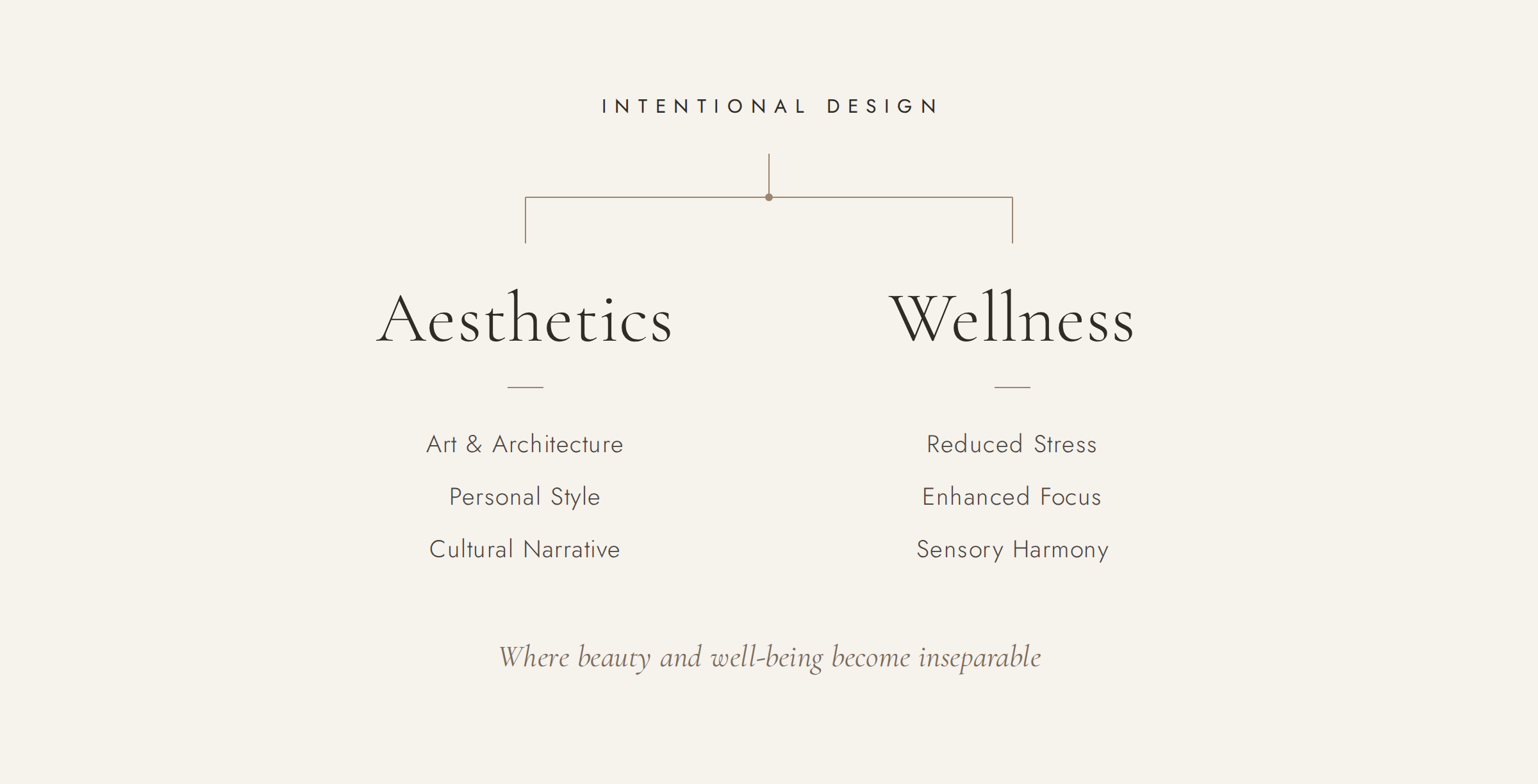
A thoughtfully curated environment does not merely look exceptional. It serves as an anchor for daily balance.
How Interior Design Directly Impacts Daily Well-Being
1. Stress Reduction and Emotional Sanctuary
Modern life carries constant cognitive demand. When you return home or step into an office, your environment should alleviate tension, not amplify it.
Proportion & Flow: Intuitively navigated spaces eliminate visual noise and daily micro-frustrations.
Biophilic Elements & Natural Materials: Incorporating natural timber, stone, organic linen, and curated greenery lowers cortisol levels and grounds the senses.
Colour Psychology: Soft, harmonious palettes create restorative tranquility, while bold, artistic accents invigorate energy where needed.
2. Enhanced Focus and Cognitive Clarity
In modern hybrid and professional work environments, distraction is a key barrier to deep work. Workspace design plays a pivotal role in mental stamina and productivity.
Acoustic Comfort: Thoughtful sound absorption through layered textiles, wall coverings, and material choices prevents auditory fatigue.
Ergonomics & Movement: Spaces that encourage natural posture and fluidity reduce physical strain over long working hours.
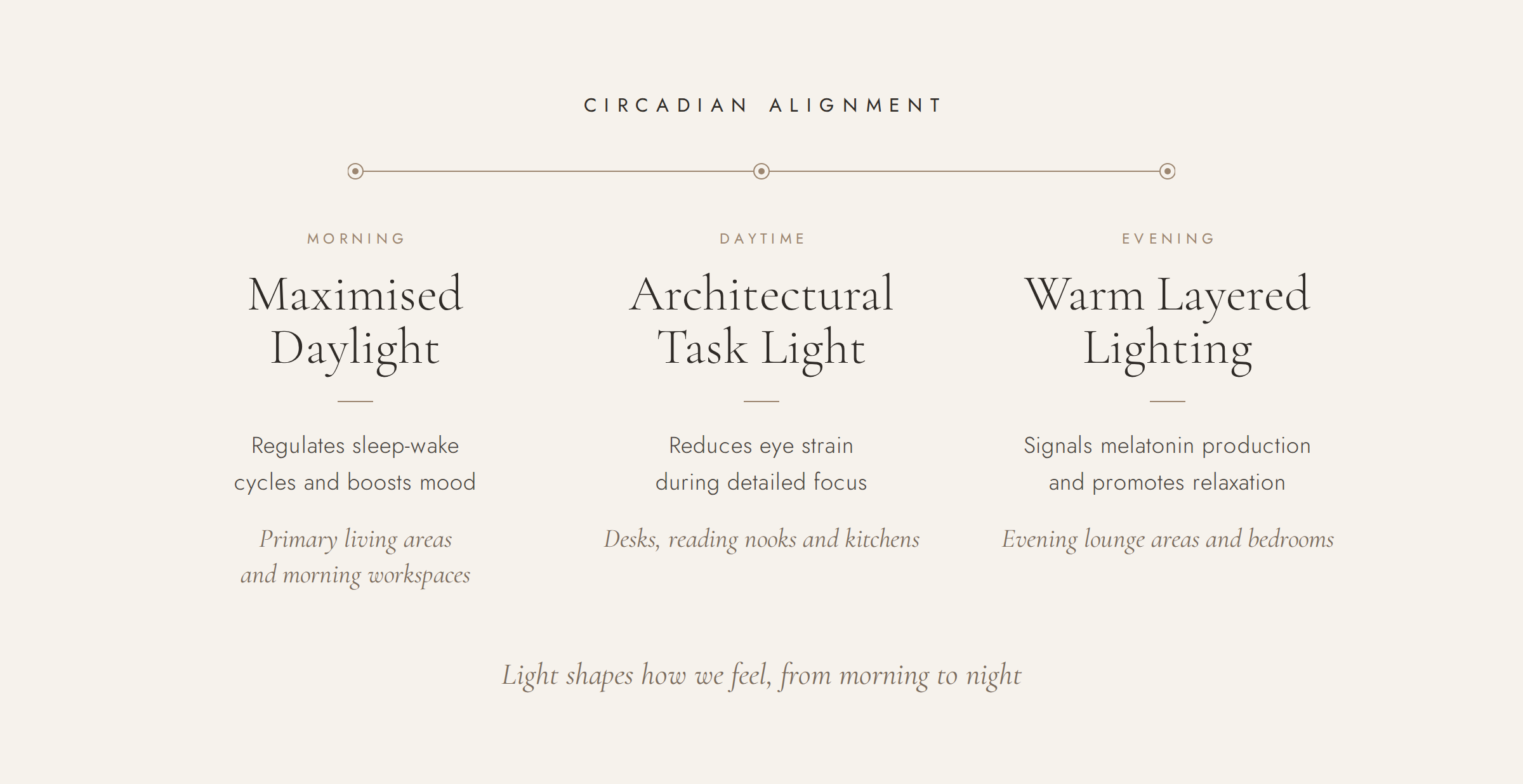
In Cork, where daylight is soft and changeable for much of the year, layered lighting matters even more.
Your Environment as a Personal Narrative
Your living and working spaces should feel like a sanctuary, one that honours your past experiences while nourishing your future ambitions.
When you invest in design that harmonises spatial proportion, artful aesthetics, and human physiology, you aren't just decorating a room. You are designing a life lived with greater ease, inspiration, and vitality.
Interested in exploring how intentional interior design can elevate your everyday well-being? Let’s connect to discuss bringing your vision to life.